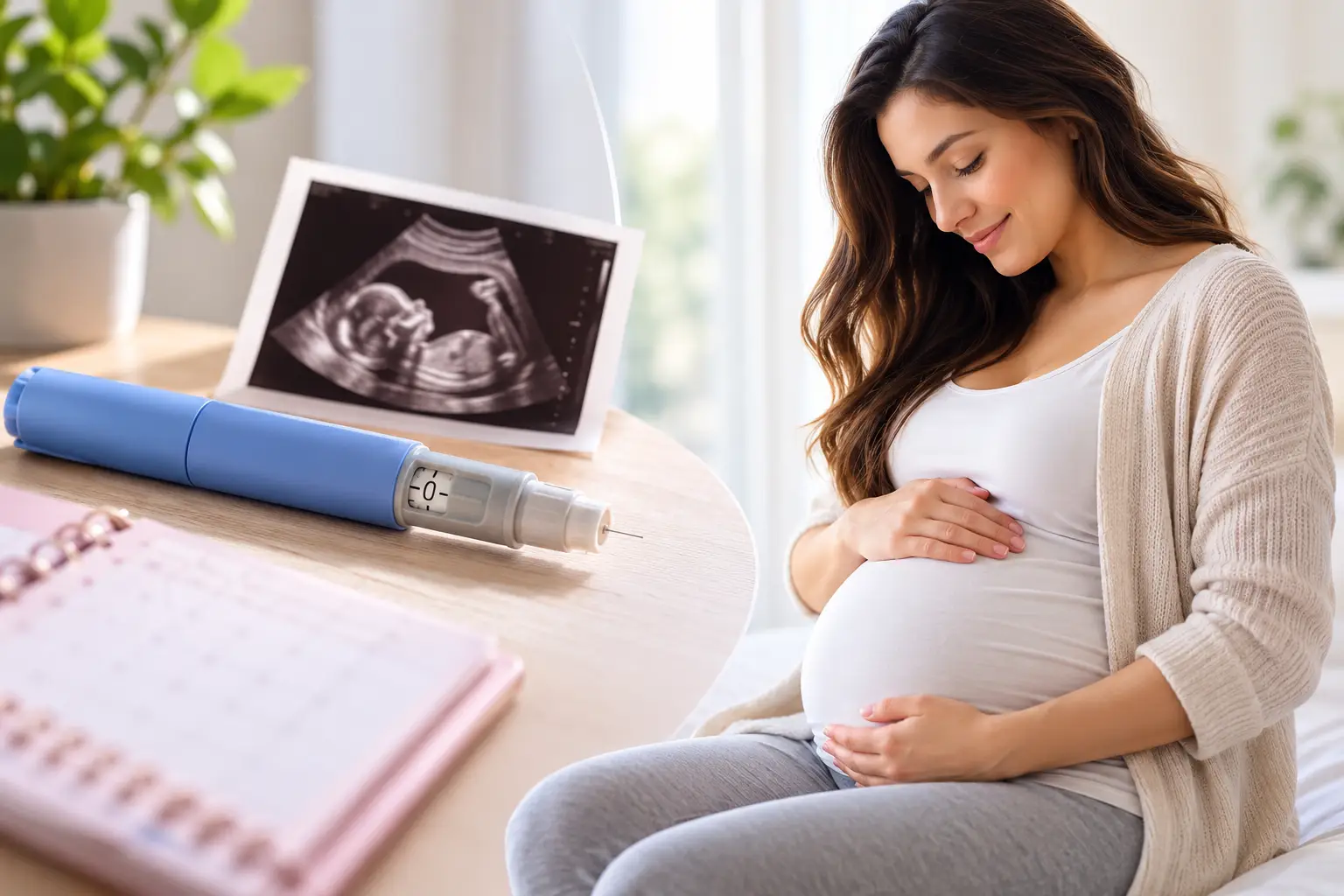
Semaglutide has become one of the most talked-about medications in recent years, widely used for weight management and metabolic health under brand names like Wegovy, Ozempic, and Rybelsus. As more women of reproductive age turn to semaglutide to manage their weight or blood sugar, an important question has emerged: can you take semaglutide while pregnant or while planning a pregnancy?
The short answer is that semaglutide used for weight reduction is not recommended during pregnancy. If you’re taking semaglutide and become pregnant, the best course of action is to contact your healthcare provider right away rather than making any medication changes on your own. This guide breaks down what the current research says, what to do if you become pregnant while on semaglutide, and how to plan ahead if pregnancy is on your radar. For those researching semaglutide pregnancy in Phoenix, this article also covers when and how to connect with a local provider for personalized guidance.
What Is Semaglutide?
Semaglutide belongs to a class of medications known as GLP-1 receptor agonists. It works by mimicking a hormone your body naturally produces to help regulate blood sugar and appetite. Specifically, semaglutide:
- Helps regulate appetite by signaling fullness to the brain
- Can slow stomach emptying, which contributes to feeling satisfied longer
- Helps improve blood sugar control in people with type 2 diabetes
- Can support weight loss when combined with lifestyle changes
You may recognize semaglutide under several brand names, including Wegovy, Ozempic, and Rybelsus. While these medications share the same active ingredient, their approved uses differ. Ozempic and Rybelsus are approved primarily for managing type 2 diabetes, while Wegovy is approved specifically for chronic weight management. This distinction matters when discussing pregnancy, since dosing and purpose can shape the conversation with your provider.
Semaglutide’s popularity has grown quickly because it offers a medically supervised option for people struggling with weight management, often producing more significant results than diet and exercise alone. But that popularity also means more women of childbearing age are using it, making pregnancy-related guidance increasingly important.
Can You Take Semaglutide During Pregnancy?
Key takeaway: Semaglutide should not be used for weight loss during pregnancy.
Pregnancy is generally not a time for intentional weight loss, regardless of the method. Your body requires adequate nutrition and energy to support fetal growth, and restrictive weight management can interfere with that process.
Beyond the general guidance against weight loss during pregnancy, there are specific safety concerns tied to semaglutide itself. Current FDA labeling for Wegovy states that the medication may cause fetal harm and recommends discontinuing it once pregnancy is recognized when used for weight reduction (FDA Access Data).
It’s worth noting that human research on semaglutide exposure during pregnancy remains limited. This doesn’t mean semaglutide has been proven to cause birth defects—it means there simply isn’t enough data yet to draw firm conclusions either way. What we do know comes largely from animal studies, which have raised concerns including pregnancy loss and smaller offspring size. However, animal study results don’t always translate directly to human outcomes, which is part of why providers take a cautious, case-by-case approach (MotherToBaby).
What If You Become Pregnant While Taking Semaglutide?
Finding out you’re pregnant while taking semaglutide can feel overwhelming, but a few calm, informed steps can help you move forward.
First, don’t panic. Discovering a pregnancy after starting or continuing semaglutide doesn’t automatically mean something has gone wrong. Contact your prescribing healthcare provider as soon as possible to discuss your specific situation, and avoid taking any additional doses until you’ve received individualized guidance.
Your provider will likely review several factors to determine next steps, including:
- The dose and timing of your last semaglutide injection
- How far along the pregnancy is
- Any other medications you’re taking
- Underlying medical conditions, such as diabetes or hypertension
- Your overall pregnancy health
Accidental early exposure to semaglutide does not automatically mean a pregnancy will have complications. According to MotherToBaby, available studies have not identified an increased risk of birth defects associated with first-trimester GLP-1 exposure. That said, researchers emphasize that much more data is needed before drawing definitive conclusions, which is why provider guidance remains essential.
How Long Before Pregnancy Should You Stop Semaglutide?
This is one of the most important questions for women planning a pregnancy while using semaglutide.
FDA labeling recommends discontinuing semaglutide at least two months before a planned pregnancy (FDA Access Data). This timeline exists because semaglutide has a long half-life, meaning it stays active in your system well after your last dose. Simply stopping the medication the week you start trying to conceive isn’t enough—your body needs time to clear it fully.
Rather than estimating your own timeline, talk with your healthcare provider about when to stop semaglutide based on your personal health history and pregnancy goals. They can help you create a transition plan that supports both your weight-management progress and your reproductive health.
Planning to become pregnant? Talk with your healthcare provider before your next semaglutide dose so you can create an appropriate transition plan.
Does Semaglutide Affect Fertility?
Right now, it isn’t known whether semaglutide makes it harder to become pregnant. This is an area where research is still developing, and no clear fertility-related conclusions have been established.
What is better understood is that obesity and uncontrolled blood sugar can themselves affect reproductive health and pregnancy outcomes. Conditions like insulin resistance and metabolic imbalance have long been linked to fertility challenges, which is part of why many women turn to weight-management support in the first place.
Improving overall health before pregnancy can be genuinely beneficial. But once pregnancy is being actively planned, weight-loss medication needs to be approached differently than it would be outside of a preconception timeline. This is a conversation best had directly with a healthcare provider who can weigh your individual circumstances rather than apply a one-size-fits-all answer (MotherToBaby).
What Should Women Planning Pregnancy Do About Weight Management?
If you’re planning a pregnancy and currently use—or are considering—semaglutide, shifting your approach to weight management is a smart next step. Consider the following:
- Speak with a healthcare provider before attempting to conceive
- Review all current medications and supplements for pregnancy safety
- Establish healthy, sustainable eating habits
- Maintain physical activity as medically advised
- Address underlying conditions like diabetes or high blood pressure
- Build a weight-management plan suited to the preconception period
Once pregnancy is confirmed, the focus should shift away from weight loss entirely and toward supporting maternal and fetal health through proper nutrition and prenatal care.
What About Semaglutide and Breastfeeding?
Breastfeeding is a separate consideration from pregnancy, and the two shouldn’t be confused when it comes to semaglutide use.
Information about semaglutide during breastfeeding is still limited. According to MotherToBaby, a small study of eight breastfeeding women found that injected semaglutide was not detected in breast milk. While this is reassuring, the sample size is small, and researchers caution that more evidence is needed before making broad recommendations.
If you’re breastfeeding and considering restarting semaglutide, this is a decision to make in partnership with your healthcare provider. Because individual circumstances—such as your baby’s age, your health needs, and feeding patterns—vary widely, there isn’t a universal answer that applies to everyone.
Semaglutide and Pregnancy in Phoenix: When Should You Talk to a Provider?
Many situations call for a conversation with a healthcare professional about semaglutide and pregnancy. You may want to reach out if:
- You’re taking semaglutide and recently discovered you’re pregnant
- You’re considering pregnancy within the next few months
- You want guidance on when to discontinue semaglutide
- You’re concerned about accidental exposure during early pregnancy
- You’re looking for an alternative weight-management strategy while preparing for pregnancy
- You have diabetes, obesity, or another condition that requires coordinated medical care
Patients in Phoenix and the surrounding communities don’t need to navigate these decisions alone. Discussing your medication history and weight-management goals with an experienced provider can help you move forward with confidence, whether you’re planning a pregnancy soon or just want a clearer picture of your options.
About Laveen Medical Weight Loss
Laveen Medical Weight Loss is a Phoenix-area medical weight-management practice built around personalized, medically supervised care. Our team takes time to evaluate each patient’s individual health goals and circumstances, offering medication-based weight-management options when medically appropriate alongside ongoing monitoring and provider guidance.
For Phoenix-area patients seeking professional support on their weight-management journey, our approach centers on safety and individualized care. This includes thoughtful conversations around family planning, since weight-management medications like semaglutide require different considerations for patients who are pregnant or planning pregnancy.
Final Thoughts
Semaglutide and pregnancy require careful planning, not guesswork. Semaglutide used for weight loss should not be continued during pregnancy, and current labeling recommends stopping it at least two months before a planned pregnancy to allow the medication to clear your system.
If you’re planning a pregnancy, talk to your healthcare provider about the right discontinuation timeline for your situation. And if pregnancy happens unexpectedly while you’re taking semaglutide, reach out to your prescribing provider promptly rather than making changes on your own. Considering pregnancy while taking semaglutide? Contact Laveen Medical Weight Loss to discuss your weight-management goals and next steps with a qualified healthcare provider.
FAQs
Ans: – No. Semaglutide used for weight loss is not recommended during pregnancy. Current FDA labeling advises discontinuing the medication once pregnancy is recognized, due to potential risks to the fetus.
Ans: – FDA labeling recommends stopping semaglutide at least two months before a planned pregnancy because of its long half-life. Talk with your healthcare provider to determine the right timeline for your individual situation.
Ans: – Contact your prescribing healthcare provider as soon as possible. Accidental early exposure doesn’t automatically mean a problem with the pregnancy, and your provider can review your specific circumstances to guide next steps.
Ans: – Human data on semaglutide and pregnancy loss remain limited. Animal studies have raised concerns about pregnancy loss, but these findings don’t necessarily predict outcomes in humans. Speak with your provider about your individual risk factors.
Ans: – Current research hasn’t established that semaglutide definitively causes birth defects, but available human pregnancy data are still limited. Some studies on first-trimester GLP-1 exposure have not identified increased birth defect risk, though researchers emphasize that more research is needed.