Losing weight involves more than reducing calories. Maintaining muscle mass, supporting metabolism, and getting adequate nutrition are also important parts of a successful weight management journey.
Protein plays an essential role in these processes. During medical weight loss, particularly when following a reduced-calorie eating plan or using GLP-1 medications, some individuals may find it challenging to consume enough protein because of reduced appetite.
Understanding the right protein intake for weight loss can help individuals make better dietary choices, preserve lean muscle, and support overall health while working toward their weight management goals.
This guide explains how much protein you may need, which foods can help you meet your daily requirements, and how to incorporate protein into a medically supervised weight loss plan.
Why Is Protein Important During Medical Weight Loss?
Protein is one of the three essential macronutrients, alongside carbohydrates and fats. It supports several important functions in the body.
Key benefits of adequate protein intake include:
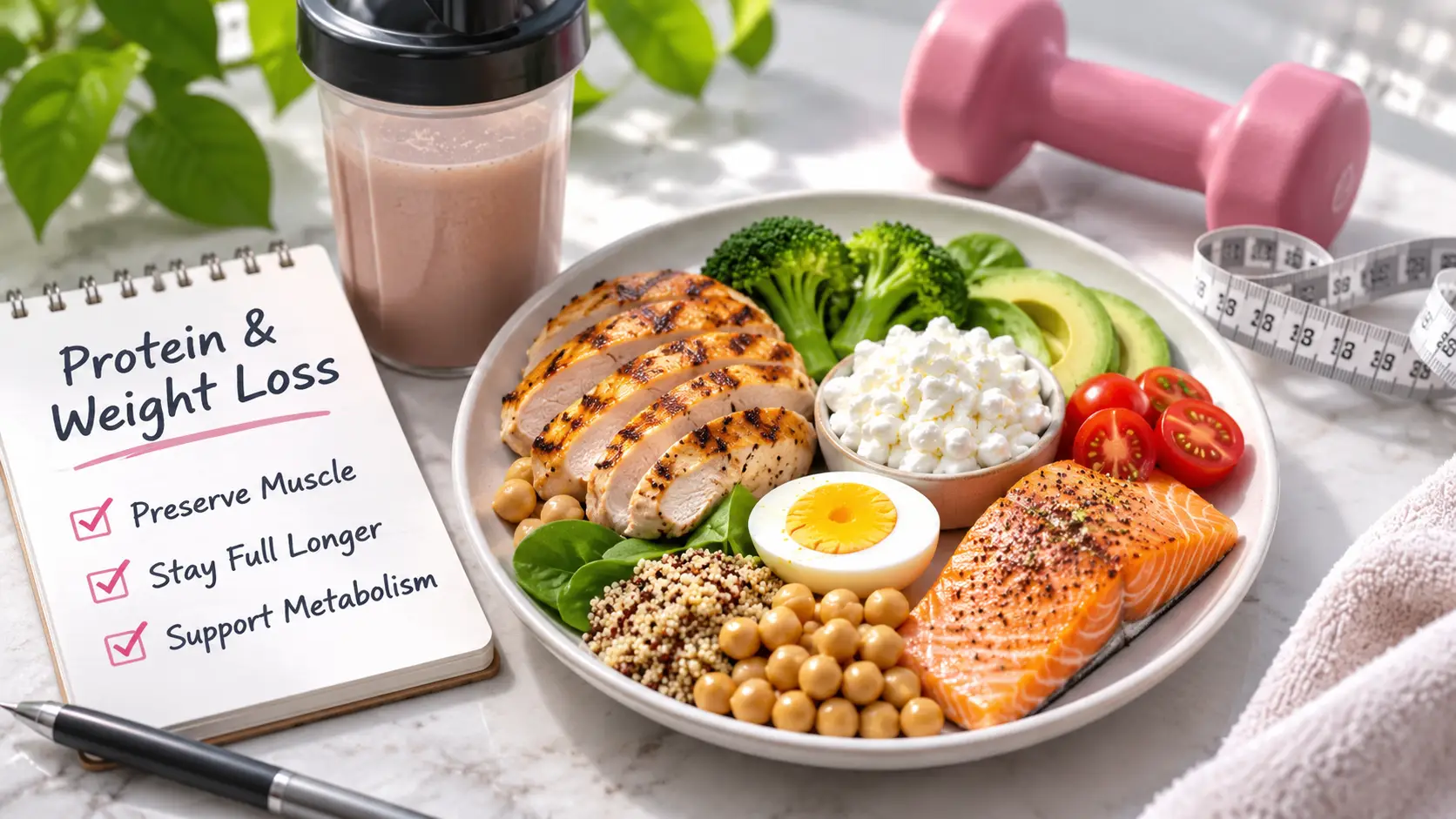
- Preserving lean muscle: Adequate protein, combined with resistance exercise, can help reduce muscle loss during calorie restriction.
- Supporting metabolism: Muscle tissue contributes to daily energy expenditure, making muscle preservation important during weight management.
- Promoting fullness: Protein can help people feel satisfied after meals and manage hunger between meals.
- Supporting recovery: Protein provides amino acids needed for muscle repair and tissue maintenance.
- Maintaining overall health: It supports immune function, enzymes, hormones, and other essential bodily processes.
During medical weight loss, focusing only on the number on the scale may overlook the importance of maintaining a healthy body composition.
How Much Protein Do You Need for Weight Loss?
There is no single protein requirement that works for everyone. Your daily protein needs may depend on your current weight, age, activity level, body composition, health conditions, and weight loss goals.
The general recommended dietary allowance (RDA) for healthy adults is approximately 0.8 grams of protein per kilogram of body weight per day. However, some individuals following a structured weight management program may benefit from a higher intake.
For example, protein needs may be adjusted based on:
- Current and target body weight.
- Physical activity and strength-training routine.
- Age and muscle mass.
- Calorie intake during the weight loss program.
- Medical conditions and nutritional requirements.
Important: Avoid adopting a high-protein diet without professional guidance. People with kidney disease or certain other medical conditions may require individualized protein recommendations.
Why Protein Intake Is Especially Important When Using GLP-1 Weight Loss Medications
GLP-1 medications can help eligible individuals manage weight by influencing appetite, fullness, and food intake. However, reduced hunger may also make it harder to consume sufficient nutrients.
When eating smaller portions, protein intake deserves particular attention.
Potential nutritional challenges include:
- Eating too little protein because of reduced appetite.
- Missing meals or skipping protein-rich foods.
- Losing lean muscle along with body fat.
- Experiencing fatigue when overall food intake becomes inadequate.
A balanced nutrition plan can help address these challenges. Protein-rich foods, adequate hydration, and appropriate physical activity should be considered alongside medical treatment.
Best High-Protein Foods to Include in Your Weight Loss Diet
Choosing nutrient-dense protein sources can make it easier to meet daily requirements without consuming excessive calories.
Animal-Based Protein Sources
- Chicken breast.
- Fish and seafood.
- Eggs.
- Greek yogurt.
- Cottage cheese.
- Lean turkey.
Plant-Based Protein Sources
- Lentils and beans.
- Chickpeas.
- Tofu and tempeh.
- Edamame.
- Quinoa.
- Nuts and seeds.
Combining different protein sources throughout the day can provide a variety of essential nutrients.
How to Spread Protein Intake Throughout the Day
Rather than consuming most of your protein in one meal, distributing it across meals and snacks can make daily intake easier to manage.
A practical approach may include:
- Breakfast: Eggs or Greek yogurt.
- Lunch: Grilled chicken, fish, tofu, or lentils.
- Afternoon snack: Cottage cheese, yogurt, or a suitable protein-rich snack.
- Dinner: Lean meat, seafood, beans, or tofu with vegetables.
The exact portion sizes should be based on your individual protein target and nutritional needs.
Common Protein Intake Mistakes During Weight Loss
Even people following structured weight loss programs can make nutritional mistakes.
Some common examples include:
- Eating too little protein: Reducing overall food intake without considering protein requirements.
- Relying only on protein shakes: Missing the additional nutrients available from whole foods.
- Ignoring strength training: Not incorporating appropriate resistance exercises to support muscle maintenance.
- Following extremely restrictive diets: Cutting out entire food groups without considering nutritional balance.
- Ignoring individual health needs: Following generic protein recommendations without considering medical conditions.
A sustainable approach should focus on balanced nutrition rather than extreme dietary restrictions.
Tips to Meet Your Daily Protein Goals During Medical Weight Loss
Meeting your protein requirements does not have to involve complicated meal preparation. A few practical changes can make a difference.
- Start meals with a protein-rich food.
- Keep convenient options such as Greek yogurt, boiled eggs, and cottage cheese available.
- Include protein in breakfast instead of relying only on carbohydrates.
- Prepare meals in advance to avoid skipping meals.
- Consider a protein shake if whole foods alone are not meeting your nutritional needs.
- Combine appropriate strength-training exercises with a balanced nutrition plan.
If you experience nausea, vomiting, or difficulty eating while taking weight loss medication, discuss these symptoms with your healthcare provider rather than forcing large meals.
How Medical Supervision Can Help You Maintain Proper Nutrition
A medically supervised weight loss program can help individuals approach weight management with a more comprehensive plan.
Professional guidance may help with:
- Evaluating individual nutritional requirements.
- Establishing realistic daily protein targets.
- Monitoring weight and body composition changes.
- Identifying potential nutritional deficiencies.
- Adjusting dietary recommendations as treatment progresses.
- Supporting healthy lifestyle habits alongside medical treatment.
The goal should not simply be losing weight but also maintaining nutritional health and supporting long-term results.
Make Protein a Priority in Your Weight Loss Journey
Protein is an important part of a balanced medical weight loss plan. It supports muscle maintenance, promotes fullness, and helps the body meet its nutritional needs while losing weight.
However, the right amount depends on individual circumstances. Rather than following generic high-protein diets, work with a qualified healthcare professional to establish a suitable nutrition plan.
By combining adequate protein, balanced meals, appropriate physical activity, and medical guidance, individuals can work toward healthier and more sustainable weight management.
Laveen Medical Weight Loss & Wellness is a medical weight management clinic located in Laveen, Arizona, serving individuals in the Phoenix area. The clinic offers personalized weight loss programs designed around individual health needs and goals.
FAQs
Daily protein needs vary based on body weight, activity level, age, and health conditions. While the general RDA is about 0.8 grams per kilogram of body weight, individuals in a structured weight loss program may need a different amount. A healthcare provider can help determine the right target for your specific situation.
Protein does not specifically target belly fat, but adequate intake supports lean muscle maintenance and helps the body function efficiently during weight loss. Combined with balanced nutrition and regular activity, it can support overall fat loss as part of a comprehensive plan.
Weight loss can still occur with lower protein intake if there is a calorie deficit, but insufficient protein may lead to greater muscle loss, reduced fullness, and nutritional gaps. Prioritizing protein helps support a healthier, more sustainable approach to weight loss.
GLP-1 medications can significantly reduce appetite, which may make it harder to consume enough protein through smaller meals. Paying close attention to protein-rich foods is especially important during treatment to help preserve muscle mass and support overall nutrition.
Protein shakes can be a convenient way to supplement protein intake, particularly when appetite is reduced. However, they should not replace whole foods entirely, since whole foods provide additional nutrients that shakes may lack. A balanced approach combining both is often most effective.