
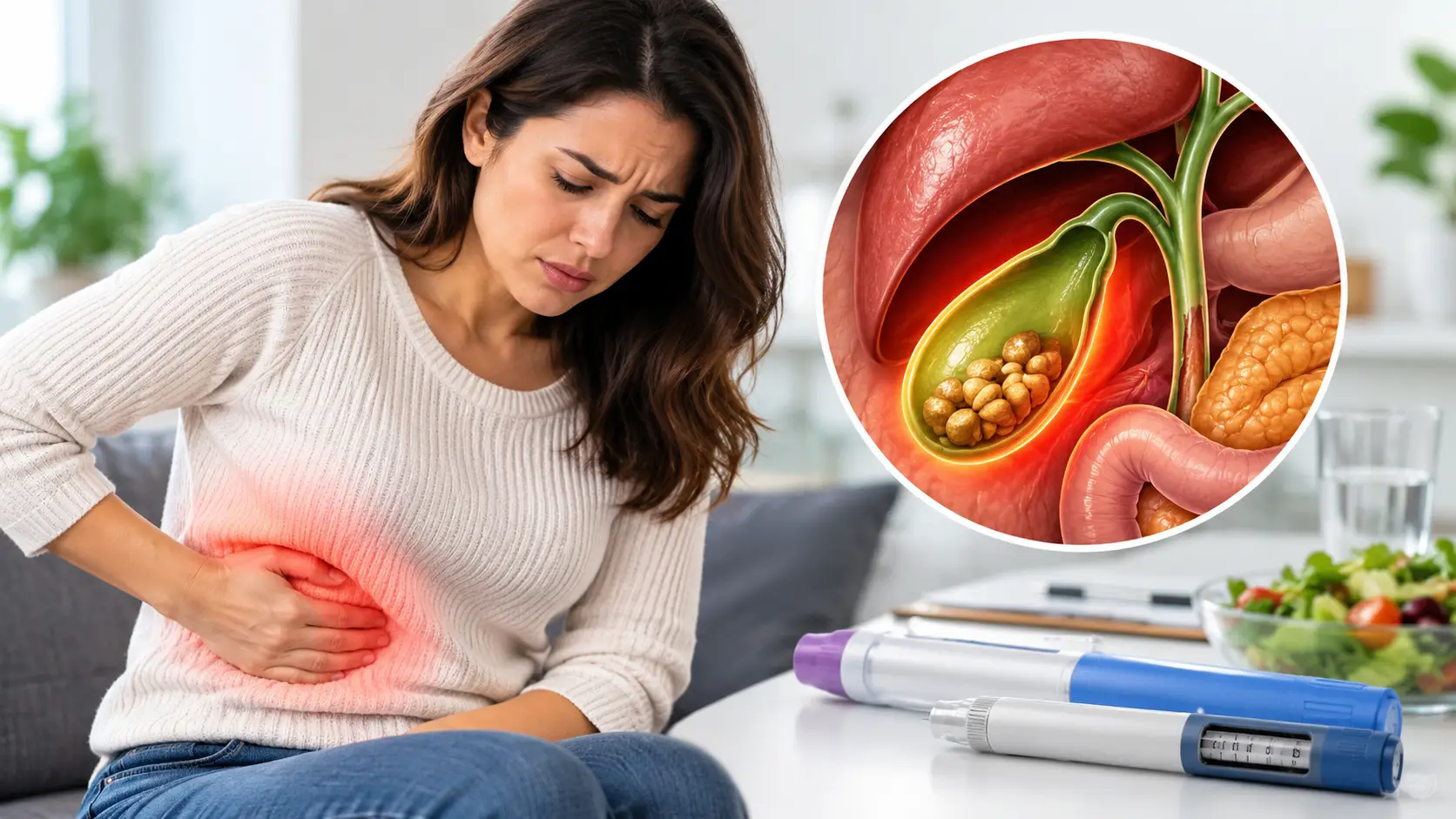
More Phoenix residents than ever are turning to GLP-1 medications like semaglutide and tirzepatide to support medically supervised weight management. These treatments have earned attention for their ability to curb appetite and help patients achieve meaningful, sustained weight loss. But as with any medication, understanding the full picture matters—including potential side effects that go beyond the commonly discussed nausea and digestive upset.
One area that deserves closer attention is gallbladder health. Reports of gallstones and gallbladder inflammation among GLP-1 users have prompted questions from patients and providers alike. This doesn’t mean these medications inevitably cause gallbladder problems. Rather, it means Phoenix patients benefit from knowing the warning signs, understanding the contributing factors, and recognizing when it’s time to reach out to a healthcare provider.
This guide walks through what’s currently understood about GLP-1 gallbladder side effects in Phoenix patients, so you can approach your weight-loss journey informed and prepared.
What Are GLP-1 Medications?
GLP-1 receptor agonists are a class of medications that mimic a naturally occurring hormone involved in regulating appetite and blood sugar. By acting on receptors in the brain and digestive system, they help reduce hunger and slow digestion, which in turn can lead to lower food intake and gradual weight loss.
Medications such as semaglutide and tirzepatide are commonly used in medically supervised weight-management programs. Gradual, monitored weight loss is important, not just for long-term success but for minimizing physical strain on the body. Interestingly, some gallbladder-related concerns associated with GLP-1 therapy may be connected less to the drug itself and more to the pace and extent of weight loss it produces.
Laveen Medical Weight Loss, for example, structures its Phoenix-area programs around this principle, combining weight-loss medications with medical supervision, lifestyle education, provider consultation, and ongoing monitoring.
Can GLP-1 Medications Affect the Gallbladder?
Yes, gallbladder and biliary problems have been reported in patients using GLP-1 therapies. It’s helpful to understand the distinctions between these conditions:
- Gallstones (cholelithiasis): Hardened deposits of digestive fluid that form in the gallbladder.
- Gallbladder inflammation (cholecystitis): Often triggered by a gallstone blocking a duct, leading to swelling and pain.
- Biliary problems: A broader term covering issues with the bile ducts that carry digestive fluid from the liver and gallbladder.
The overall risk is generally considered uncommon, but it’s significant enough that both patients and providers should stay alert to it. A large systematic review of 76 randomized clinical trials, encompassing more than 103,000 participants, found an increased risk of gallbladder or biliary disease among GLP-1 users, though the absolute increase in risk was relatively small (PubMed Central (PMC)). It’s also worth noting that significant weight loss itself, regardless of how it’s achieved, can contribute to gallstone formation.
Common GLP-1 Gallbladder Side Effects in Phoenix Patients
Knowing what to watch for can make a meaningful difference in catching a problem early. Symptoms associated with gallbladder issues include:
- Pain in the upper-right or upper-middle abdomen
- Abdominal pain that worsens after eating
- Nausea or vomiting
- Fever or chills
- Tenderness in the upper abdomen
- Pain that radiates toward the back or right shoulder
- Yellowing of the skin or eyes
- Dark urine or unusually light-colored stools
It’s important to draw a distinction here: mild nausea, constipation, and bloating are common with GLP-1 medications and don’t automatically point to gallbladder disease. These symptoms are often part of the body adjusting to treatment. However, if symptoms are persistent, severe, or unusual, it’s worth having them evaluated by a healthcare professional rather than assuming they’ll pass on their own.
Why Can Gallbladder Problems Happen During GLP-1 Weight Loss?
Two overlapping factors appear to play a role.
Effects associated with GLP-1 therapy. These medications may influence gastrointestinal function, including gallbladder motility, which can affect how efficiently bile moves through the system.
Rapid or significant weight loss. Losing weight quickly, through any method, increases the likelihood of gallstone formation. This happens because rapid fat loss can alter the balance of cholesterol and bile salts in the gallbladder.
Current evidence suggests the relationship between GLP-1 medications and gallbladder issues likely involves both the medication’s direct effects and the weight-loss process itself. Research has also found a greater risk at higher GLP-1 doses and with longer treatment duration (JAMA Network). For Phoenix patients researching this topic, you may also see it referenced under related terms like semaglutide gallbladder side effects, tirzepatide gallbladder side effects, or gallstones and GLP-1 medication.
Semaglutide and Tirzepatide: What Should Patients Know?
While both medications belong to the GLP-1 category, they work slightly differently and are worth understanding individually, without assuming one carries meaningfully less risk than the other.
Semaglutide plays a well-established role in weight-management treatment. Gallbladder-related events have been reported in patients using this and other GLP-1 therapies.
Tirzepatide works through both GIP and GLP-1 pathways, offering a dual-action mechanism. Notably, current prescribing information for Zepbound (tirzepatide) specifically identifies acute gallbladder disease as a potential concern and advises appropriate evaluation when cholecystitis is suspected (DailyMed).
If you’re currently taking either medication, this isn’t a reason to stop on your own. Instead, discuss any symptoms or concerns directly with your prescribing provider, who can evaluate your specific situation.
Who May Need Extra Attention to Gallbladder Health?
Certain factors may call for closer monitoring during GLP-1 treatment, including:
- A history of gallstones
- Previous gallbladder disease
- Prior gallbladder surgery
- Significant or rapid weight loss
- Existing digestive or metabolic conditions
- Recent increases in medication dosage
- Persistent abdominal symptoms
Having one or more of these factors doesn’t automatically rule out GLP-1 treatment. Treatment decisions should always be individualized, weighing medical history, current medications, symptoms, and personal weight-management goals.
When Should Phoenix Patients Contact a Healthcare Provider?
Knowing the difference between symptoms that warrant a phone call and those requiring immediate care can prevent unnecessary worry while ensuring real concerns get addressed quickly.
Contact your provider promptly if you experience:
- Persistent upper abdominal pain
- Repeated vomiting
- New or worsening abdominal symptoms
- Pain that doesn’t improve over time
Seek urgent medical attention for:
- Severe abdominal pain
- Fever accompanied by abdominal pain
- Yellowing of the skin or eyes
- Significant vomiting or signs of dehydration
The goal isn’t to create fear around GLP-1 treatment, but to help patients recognize when something needs a closer look.
How Phoenix Patients Can Approach GLP-1 Treatment Safely
A few practical habits can help you get the most benefit from GLP-1 therapy while minimizing risk:
- Take your medication exactly as prescribed
- Avoid increasing your dose independently
- Keep all scheduled follow-up appointments
- Tell your provider about any history of gallstones or gallbladder issues
- Report persistent or severe abdominal symptoms right away
- Follow individualized nutrition guidance
- Stay adequately hydrated
- Prioritize sustainable weight loss over rapid results
- Keep your provider informed about other medications and supplements you’re taking
Programs like the one at Laveen Medical Weight Loss emphasize these principles through medical supervision, ongoing provider consultation, weekly weigh-ins, and lifestyle education, all designed to support safer, more sustainable outcomes.
GLP-1 Gallbladder Side Effects in Phoenix: What Patients Should Remember
GLP-1 medications remain effective tools for medically supervised weight management, and gallbladder complications, while real, aren’t an inevitable outcome of treatment. Significant weight loss itself can also play a role in gallstone formation, separate from the medication. Symptoms like persistent upper abdominal pain, fever, vomiting, or jaundice shouldn’t be dismissed or self-managed. And perhaps most importantly, patients should never change or stop a prescribed medication without first talking to their healthcare provider. Regular medical monitoring remains one of the most effective ways to catch potential issues early.
About Laveen Medical Weight Loss & Wellness
Laveen Medical Weight Loss & Wellness provides personalized medical weight-management services for patients throughout the Phoenix area. The clinic takes an individualized approach that combines weight-loss medications, medical supervision, lifestyle education, provider consultations, and ongoing progress monitoring. Treatment options include semaglutide and tirzepatide, among other weight-management approaches.
The clinic’s team includes experienced nurse practitioners who help patients build weight-management plans tailored to their individual health needs and goals. Both in-person and virtual consultation options are available, making it easier to stay supported throughout treatment. If you’re a Phoenix-area patient considering a GLP-1 medication, or you’re experiencing symptoms during treatment, a consultation offers the chance to discuss your symptoms, medical history, treatment options, and appropriate monitoring with a healthcare professional.
FAQs
Ans: – GLP-1 medications have been associated with an increased risk of gallstones in clinical research, though the overall risk remains relatively low. Both the medication’s effects on digestion and the weight loss it produces may contribute to gallstone formation.
Ans: – Common symptoms include upper-right abdominal pain, nausea or vomiting, fever, tenderness in the upper abdomen, pain radiating to the back or shoulder, and yellowing of the skin or eyes. Persistent or severe symptoms should be evaluated by a provider.
Ans: – Gallbladder-related events have been reported in patients taking semaglutide, though not everyone who takes the medication will experience these issues. Risk may increase with higher doses and longer treatment duration.
Ans: – Current prescribing information for tirzepatide (Zepbound) identifies acute gallbladder disease as a potential concern, and providers are advised to evaluate patients appropriately if cholecystitis is suspected.
Ans: – Don’t stop or adjust your medication on your own. Contact your healthcare provider to discuss your symptoms so they can determine the appropriate next steps based on your individual health history.