Managing weight with polycystic ovary syndrome (PCOS) can feel like an uphill battle—even when you’re doing everything right. PCOS is a hormonal and metabolic condition that affects roughly 1 in 10 people with ovaries, and it can disrupt everything from blood sugar regulation to appetite control. For many, the connection between PCOS and weight isn’t simply about calories—it runs deeper, rooted in how the body processes insulin and responds to hunger signals.
GLP-1 medications have emerged as a medical weight-management option that may offer particular benefits for people navigating PCOS. By targeting the metabolic pathways that make weight loss so difficult, these medications are attracting growing interest as a potential support tool—not a cure—for managing PCOS. Used under medical supervision and as part of a broader health plan, they represent one more option worth understanding.
What Is PCOS and Why Does It Affect Weight?
Understanding PCOS and Metabolic Health
PCOS is a hormonal condition characterized by elevated androgen levels, irregular menstrual cycles, and the presence of small follicles on the ovaries. It also has significant metabolic components. Many people with PCOS experience insulin resistance, meaning the body’s cells don’t respond efficiently to insulin, which can lead to higher blood sugar levels and increased fat storage—particularly around the abdomen.
This doesn’t mean everyone with PCOS has overweight or obesity. PCOS affects people across a wide range of body sizes, and symptoms can vary considerably from person to person.
Why Losing Weight With PCOS Can Be Difficult
For those who do struggle with weight gain, PCOS presents some specific challenges. Hormonal fluctuations can increase hunger and reduce satiety. Insulin resistance makes it harder for the body to use stored fat for energy. Some individuals also experience increased cravings for carbohydrate-rich foods, driven by blood sugar instability. These factors combined mean that standard diet-and-exercise approaches, while still valuable, may not produce the same results for someone with PCOS as they might for someone without the condition.
What Are GLP-1 Medications?
GLP-1 stands for glucagon-like peptide-1, a hormone naturally produced in the gut after eating. It plays a key role in appetite regulation, digestion, and blood sugar control. GLP-1 receptor agonists are medications that mimic this hormone, amplifying its effects in the body.
When taken as prescribed, GLP-1 receptor agonists can reduce appetite, increase feelings of fullness, slow the rate at which the stomach empties, and help regulate blood glucose levels. These combined effects can make it easier to reduce calorie intake without feeling constantly hungry.
Commonly prescribed medications in this category include semaglutide (marketed under brand names such as Ozempic and Wegovy) and tirzepatide (Mounjaro and Zepbound). It’s important to note that these medications are not specifically approved to treat PCOS—their approvals relate to type 2 diabetes management and chronic weight management. Whether a particular medication is appropriate for a given patient depends entirely on their health profile and a qualified clinician’s assessment.
How PCOS and GLP-1 Weight Loss May Be Connected
This is where the science gets interesting. The metabolic challenges central to PCOS—insulin resistance, excess weight, and appetite dysregulation—overlap significantly with the mechanisms that GLP-1 medications target.
Improved Insulin Sensitivity
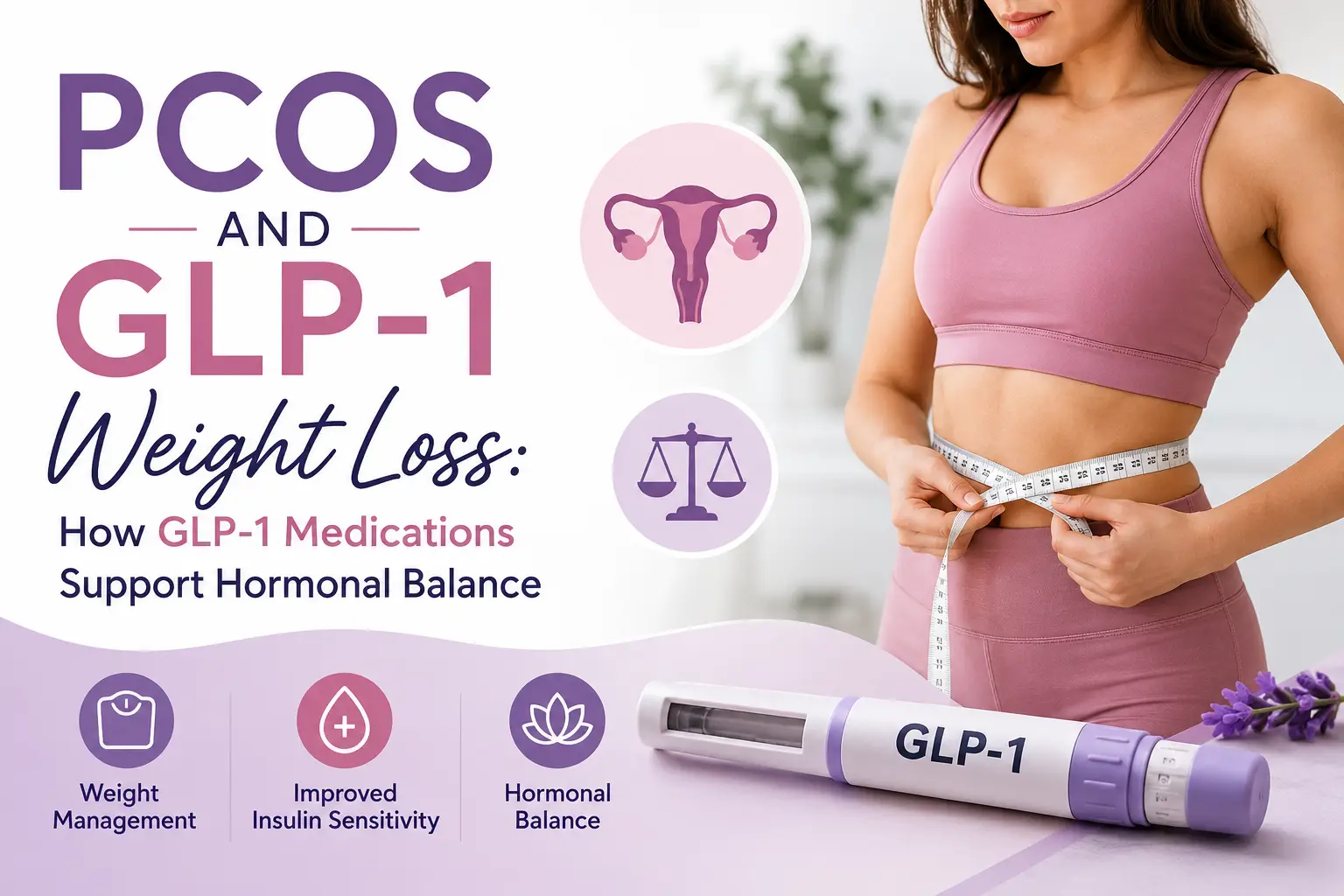
Insulin resistance is one of the most common features of PCOS and plays a central role in many of its metabolic effects. By supporting weight loss and improving blood glucose regulation, GLP-1 medications may help reduce some of the burden that insulin resistance places on the body. That said, GLP-1 medications aren’t a direct treatment for insulin resistance in every person with PCOS, and outcomes vary. Weight loss itself—regardless of how it’s achieved—can improve insulin sensitivity, which is part of why these medications generate interest in the context of PCOS.
Appetite and Weight Management
One of the most significant barriers to weight management with PCOS is hunger. Hormonal imbalances and blood sugar fluctuations can make sustaining a calorie deficit genuinely difficult—not a matter of willpower. GLP-1 medications address this directly by reducing appetite and increasing satiety, which can make it far more sustainable to maintain healthier eating patterns over time. For people with PCOS who have struggled to see results from diet changes alone, this mechanism may be particularly relevant.
Potential Effects on PCOS Symptoms
Meaningful weight loss and improved metabolic health may contribute to improvements in certain PCOS-related symptoms. Some individuals experience more regular menstrual cycles and improved metabolic markers—such as cholesterol levels and blood pressure—following sustained weight reduction. These outcomes are linked to improved metabolic health broadly, rather than to any direct hormonal action of GLP-1 medications specifically.
Can GLP-1 Medications Help With Hormonal Balance in PCOS?
Hormonal balance in PCOS is complex. It involves reproductive hormones like testosterone and LH (luteinizing hormone), as well as insulin and a range of other metabolic factors. These systems are interconnected, meaning changes in metabolic health can ripple outward.
Addressing excess weight and insulin resistance may indirectly influence some of the hormonal abnormalities seen in PCOS. For example, reducing visceral fat can lower the production of androgens, which may contribute to improvements in symptoms like excess hair growth or acne. However, it’s important to be clear: GLP-1 medications work primarily on metabolic and appetite-related pathways. Any hormonal improvements that occur tend to result from those metabolic changes rather than a direct effect on reproductive hormones.
Patients should approach GLP-1 treatment with realistic expectations and work closely with a healthcare provider who understands both conditions.
Benefits and Considerations of GLP-1 Weight Loss Treatment for PCOS
Potential benefits include:
- Clinically supported weight loss when medically appropriate
- Improved appetite control and reduced hunger
- Better blood sugar regulation
- Potential improvements in metabolic risk factors associated with PCOS
- Can complement nutrition and lifestyle changes
Important considerations:
- Common side effects include nausea, vomiting, diarrhea, and constipation, especially early in treatment
- Not appropriate for everyone; eligibility requires a full medical evaluation
- Dosing must be determined and monitored by a qualified healthcare professional
- Results vary between individuals
- Special consideration is required for those who are pregnant or planning a pregnancy, as weight-loss medications are generally not recommended during pregnancy
Who May Be a Candidate for GLP-1 Weight Loss Treatment?
Eligibility for GLP-1 medications depends on a range of health factors, including BMI and weight-related health risks, blood sugar and metabolic health markers, existing medical conditions, current medications, pregnancy status or plans, prior weight-loss efforts, and individual treatment goals.
A PCOS diagnosis alone doesn’t automatically make someone a candidate for these medications. The best way to find out whether GLP-1 treatment could be appropriate is to schedule a medical evaluation with a qualified clinician who can review your full health picture.
Building a PCOS Weight-Loss Plan Beyond Medication
GLP-1 medications work best when paired with sustainable lifestyle changes—not used in isolation. A well-rounded approach to managing weight with PCOS might include:
- Nutrition: Prioritizing protein and fiber to support satiety and blood sugar stability
- Exercise: A combination of resistance training and cardiovascular activity has been shown to support insulin sensitivity
- Sleep: Poor sleep worsens insulin resistance and increases hunger hormones
- Stress management: Chronic stress elevates cortisol, which can worsen hormonal imbalances
- Regular monitoring: Tracking metabolic health markers and maintaining follow-ups with your healthcare team
- Realistic goals: Sustainable, gradual progress rather than rapid weight loss
GLP-1 medication, when appropriate, is one potential component of this broader strategy—not a replacement for it.
FAQs
Ans: – GLP-1 medications may support weight loss in eligible people with PCOS by reducing appetite, increasing fullness, and improving blood sugar regulation. These effects can make it easier to manage weight when traditional approaches haven’t been sufficient. Medical supervision is essential to determine whether this treatment is appropriate for you.
Ans: – No. GLP-1 medications don’t cure PCOS. They target metabolic and appetite-related pathways, which may indirectly improve some PCOS-related symptoms through weight loss and better metabolic health. PCOS remains a complex hormonal condition that requires ongoing management.
Ans: – They may help. By supporting weight loss and improving blood glucose regulation, GLP-1 medications can contribute to better insulin sensitivity in some patients. However, they are not a targeted treatment for insulin resistance in PCOS, and outcomes vary.
Ans: – Possibly, as an indirect effect. Some people with PCOS see improvements in menstrual regularity following sustained weight loss and metabolic improvements. This is not a guaranteed outcome, and GLP-1 medications don’t directly regulate reproductive hormones.
Ans: – Semaglutide may be appropriate for some people with PCOS, but this depends on their individual health profile. It is not specifically approved for PCOS treatment. A healthcare provider should assess your full medical history, current medications, and treatment goals before prescribing any GLP-1 medication.